Roundtables: The Deadly Failures of The Virtual Border Wall
The US has spent billions building a “virtual wall” of surveillance towers along its southern border over the past 25 years, promising they will help detect and apprehend border crossers and save lives. But a groundbrea…
以下正文同步自 MIT Technology Review,版权归原站所有,已转换为易读排版。
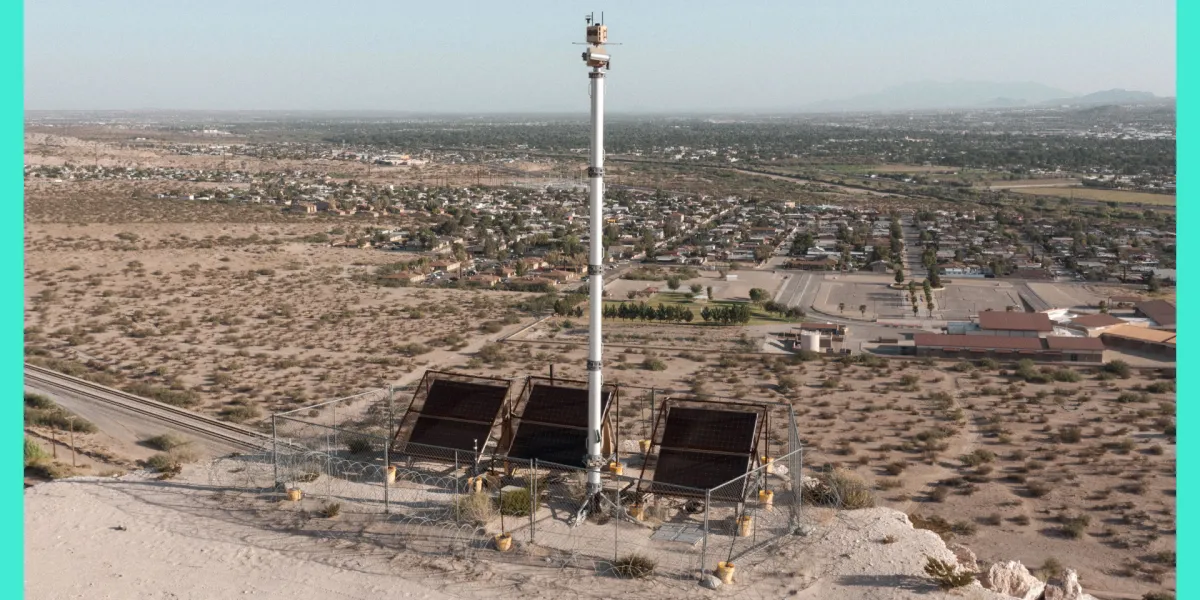
The US has spent billions building a “virtual wall” of surveillance towers along its southern border over the past 25 years, promising they will help detect and apprehend border crossers and save lives. But a groundbreaking investigation by MIT Technology Review has documented over a thousand people who moved through areas watched by these towers without being reached or apprehended, and who ultimately died there. Some were even under the watch of newly installed AI-powered towers designed to spot people automatically.
Our findings reveal a humanitarian crisis more visible than previously known, and repeated failures of the virtual wall’s basic security promise. Join MIT Technology Review editors and reporters for a conversation examining the failures of border surveillance technology and uncovering the stories of the people who die in the borderlands.
REGISTER NOW
Speakers: Mat Honan, editor in chief, James O’Donnell, senior AI reporter, and Eileen Guo, features and investigations reporter
Related Stories
- The US spent billions on border surveillance. Why can’t it catch people before they die?
- How we made the first comprehensive map of deaths along the US border’s “virtual wall”
- 4 ways to address the failures we found along the US border’s “virtual wall”
正文由 FLUX 从来源站点 RSS 同步,内容未经改写;遇到排版缺失或需要图片、视频时请以原文为准。